
Hardware for the hole
Turn bare turf into a green where the ball drops
We make the furniture for the putting end: pins, sewn flags, cups cut into dirt and lights for the night. Six shelves, sold piece by piece so one torn flag does not mean buying a whole set.
Pieces most greens begin with
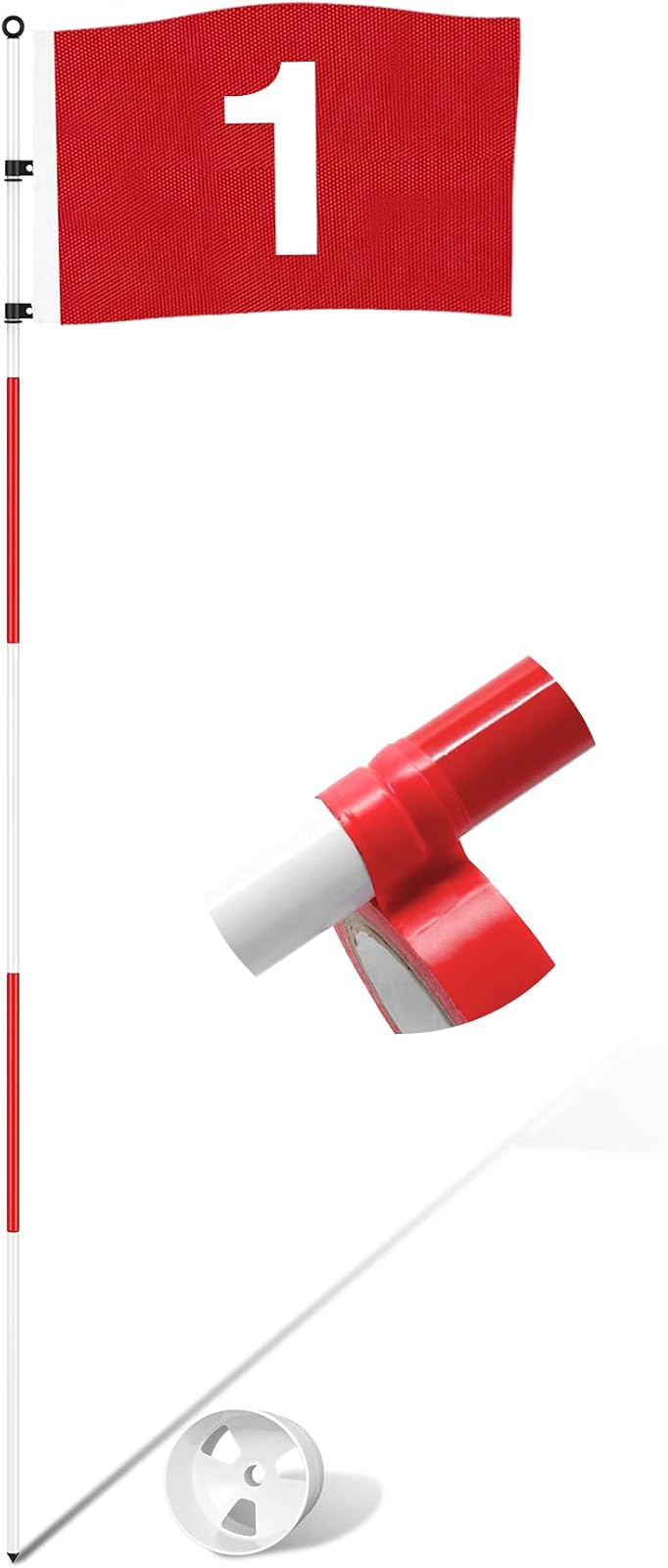
- 6 ft Metal Golf Flagstick, Slip-Fit JointsFlagsticks · $19.88
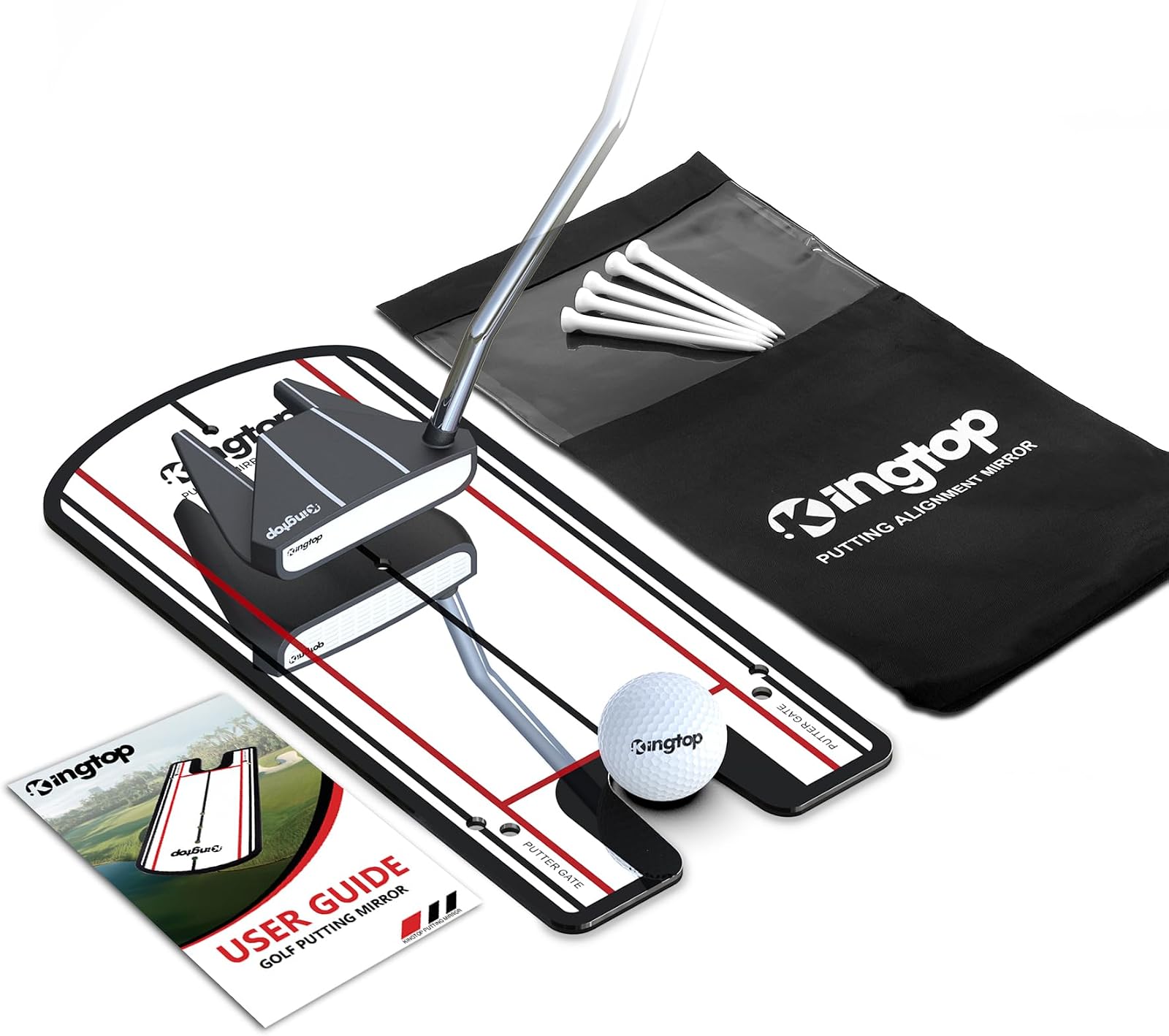 Classic Golf Putting Alignment Mirror with Carry BagCups and liners · $15.66
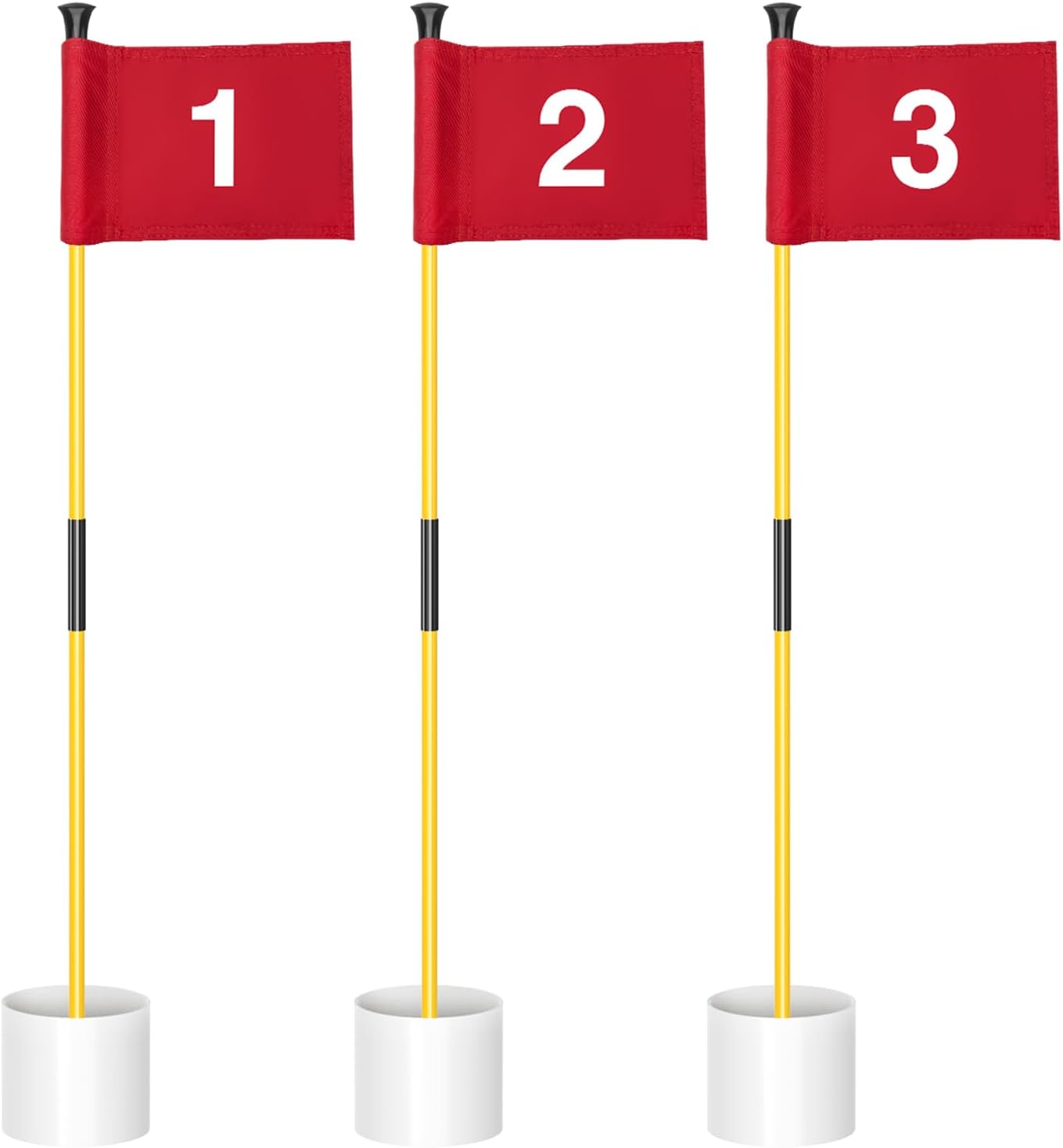 3 ft Yellow Golf Flagstick Sets with Number 1 to 3 Flags, 3 PackFull setups · $78.88
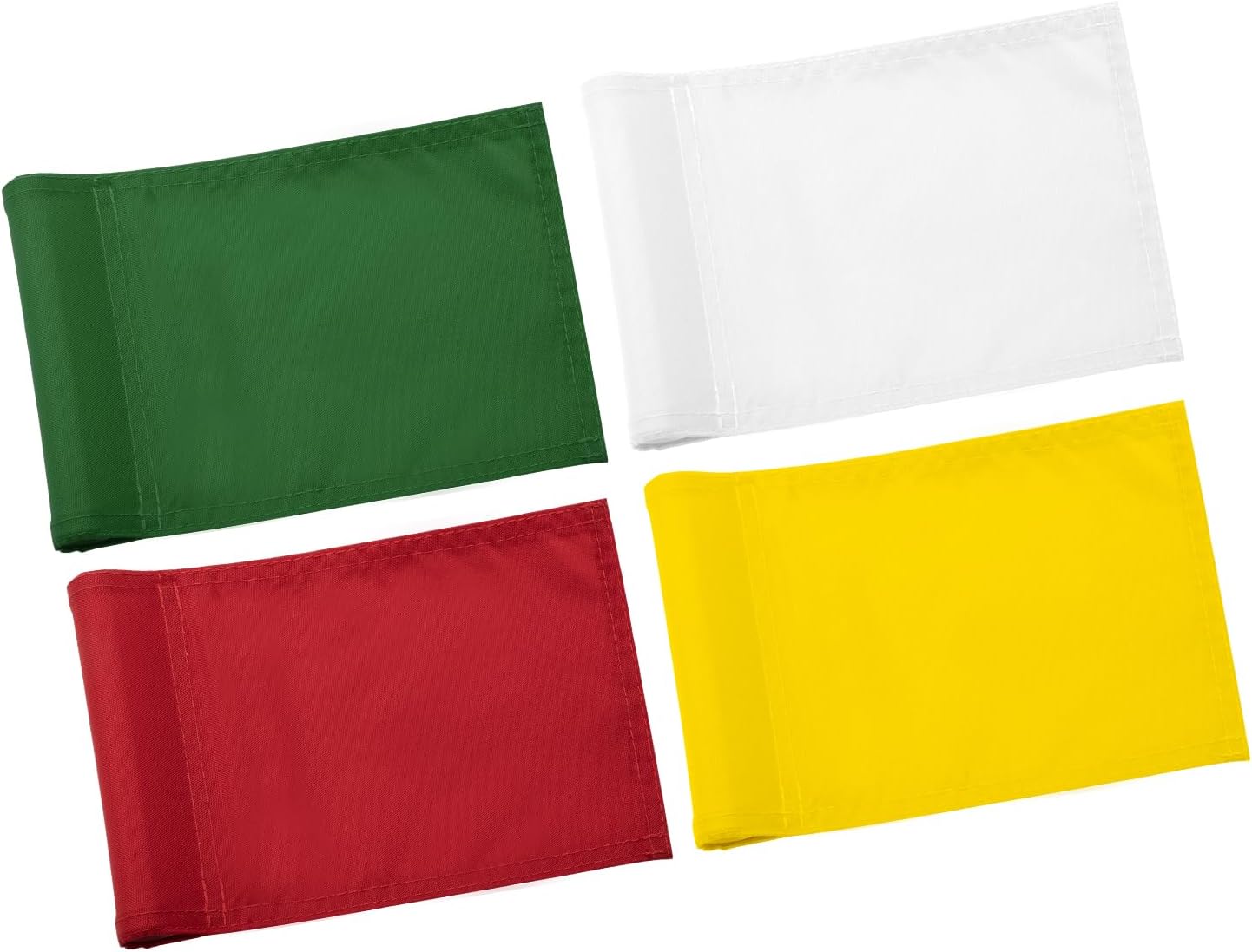 Blank Golf Flag 8x6 Inch - Mixed Color, 4 PackMini flags · $35.88
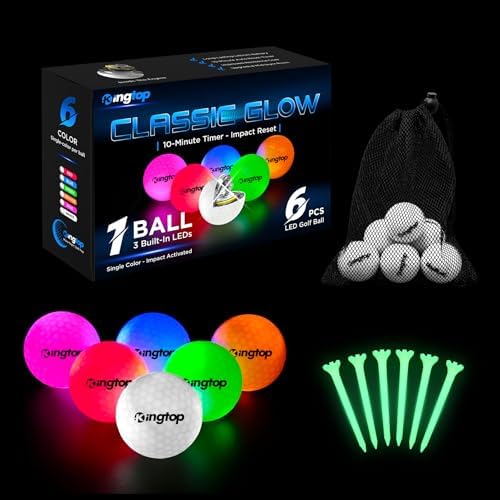 Impact-Activated LED Golf Balls with Glow Tees, 6 PackAfter dark · $22.88
Built around how greens actually get used
Sections unhook
Pins break down to ride in a trunk. Leave sections out when a tree branch hangs low over the hole, or run full height across open turf.
Sold one by one
Flags rip on fences and mower decks nip poles. You buy the single sewn tube or the one disc base you need, not a boxed batch.
One shared width
Shallow cups and deep cups share the same regulation diameter. A turf cover from our shelf fits the hole you cut last season.
Round stays lit
Hole rings slip down into the cup and pin beacons glow on top. Darkness stops stopping the game when the sun goes behind the trees.
Where are you setting the pin?
The ground decides what hardware can stand. Pick the place you have and find what works there without fuss.
 On living lawn turfCut a plug with the cutter, drop in a cup with drain holes and stand a pin that lifts the ball back up. Add a turf cover so the mower passes clean over the hole.Equip a yard green ›On carpet or an indoor matNo dirt to cut into means the cup sits flat and the pin stands on its own base. Alignment mirrors sit alongside the hole to check your stance.Set up inside ›
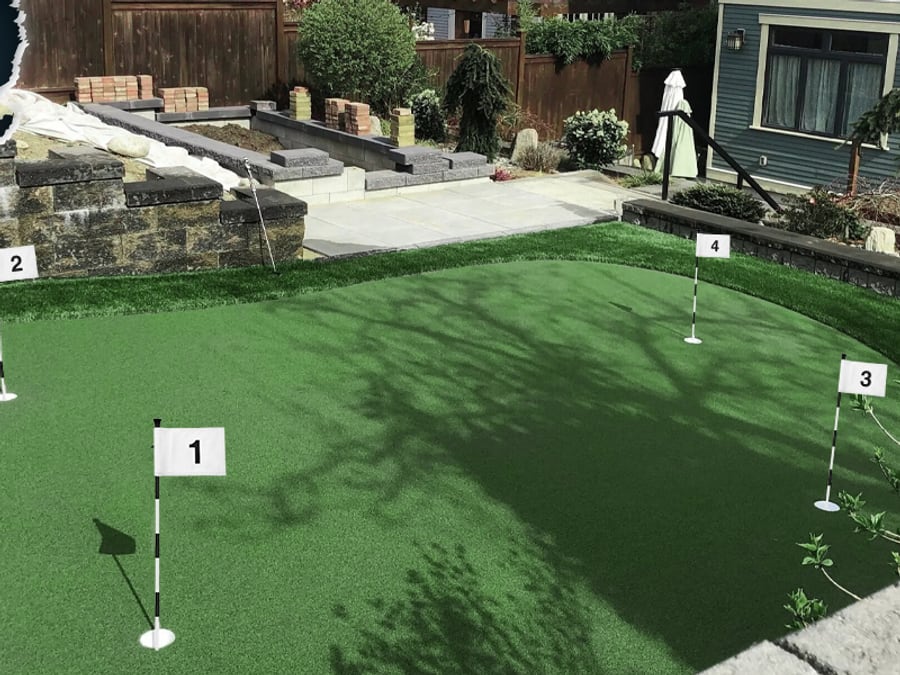
 For an afternoon eventPop multiple pins into the lawn for a contest, using numbered flags so players know where to aim. Pack it all flat into trunks once the winner is named.Outfit a contest ›
What goes into the turf
We build the hardware that sits at the cup end of a green. Pick a shelf to see poles, flags sewn for them, cups for the lawn, or lights for the late evening.
Shelf 1 of 6
Flagsticks
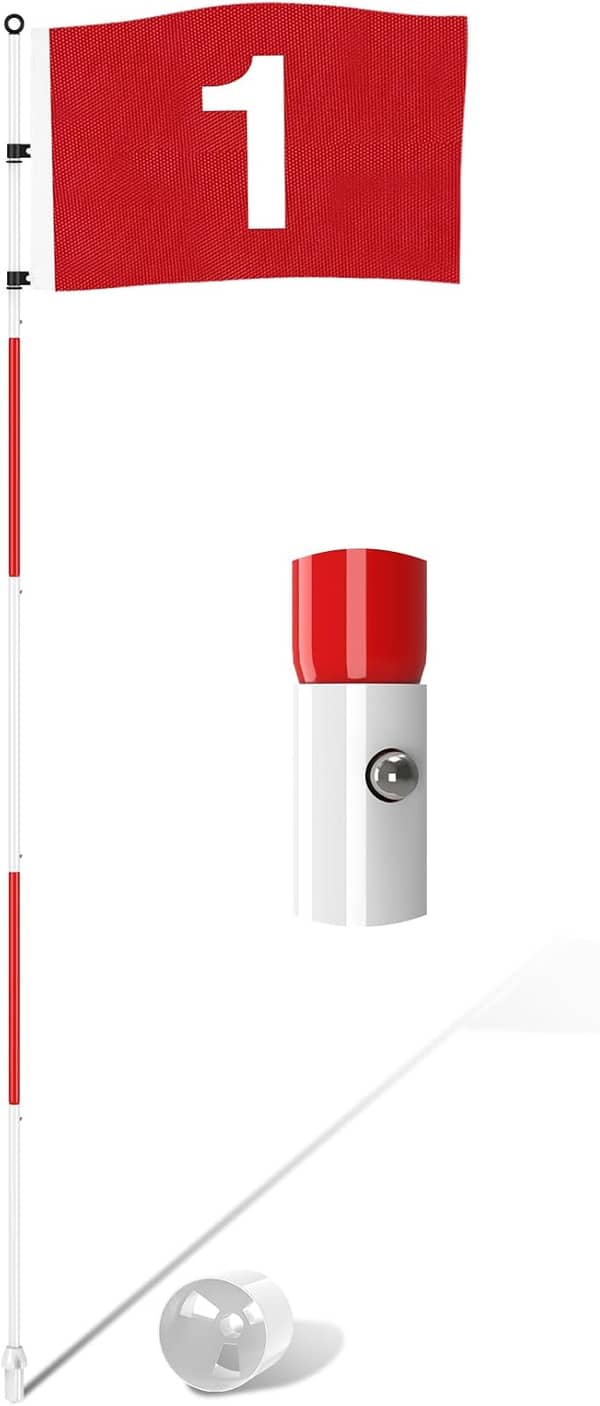
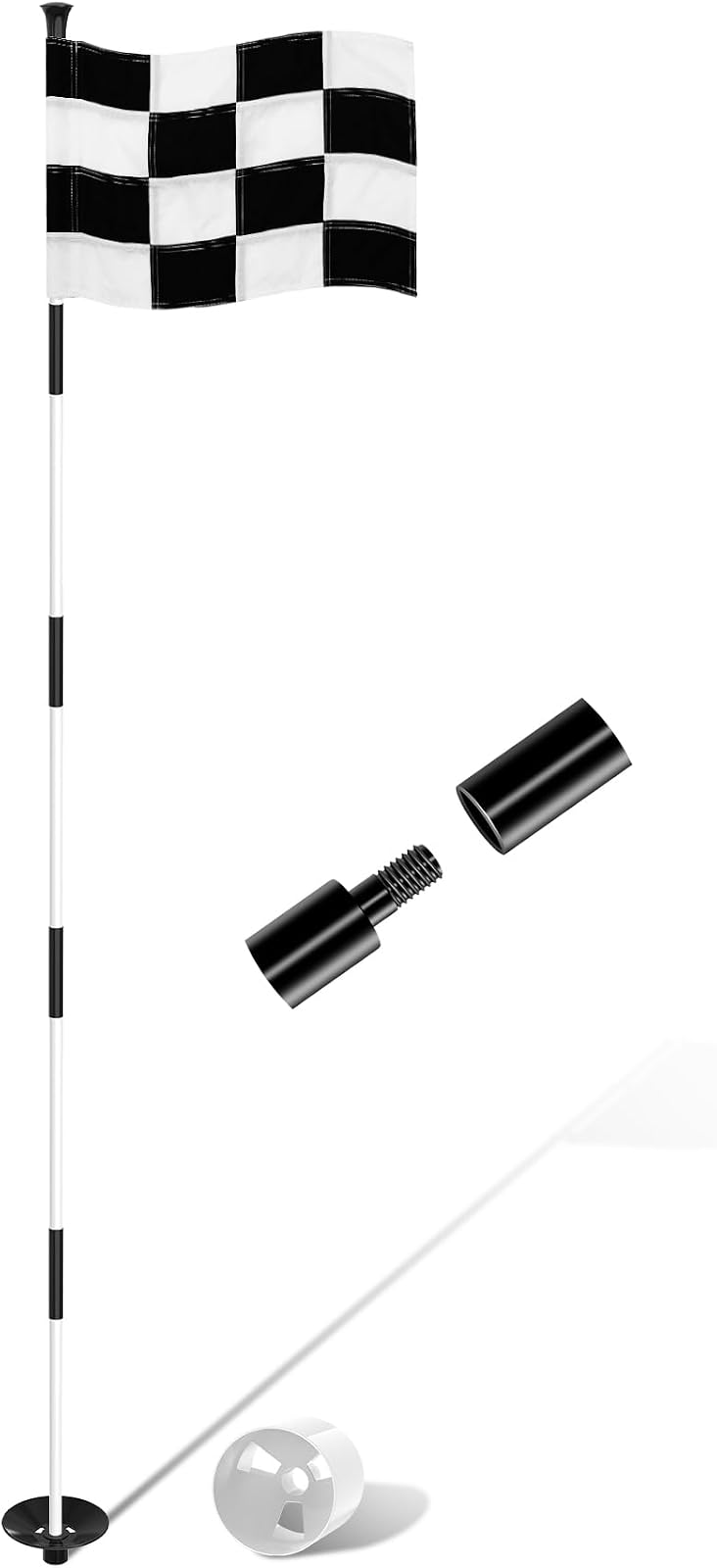
Fiberglass and steel poles that come apart in sections to travel flat in a trunk or stand short with sections left out.
Flagsticks
6 ft Fiberglass Golf Flagstick, Threaded Aluminum Connectors
4.4 out of 5 · 2,244 ratings
See the detail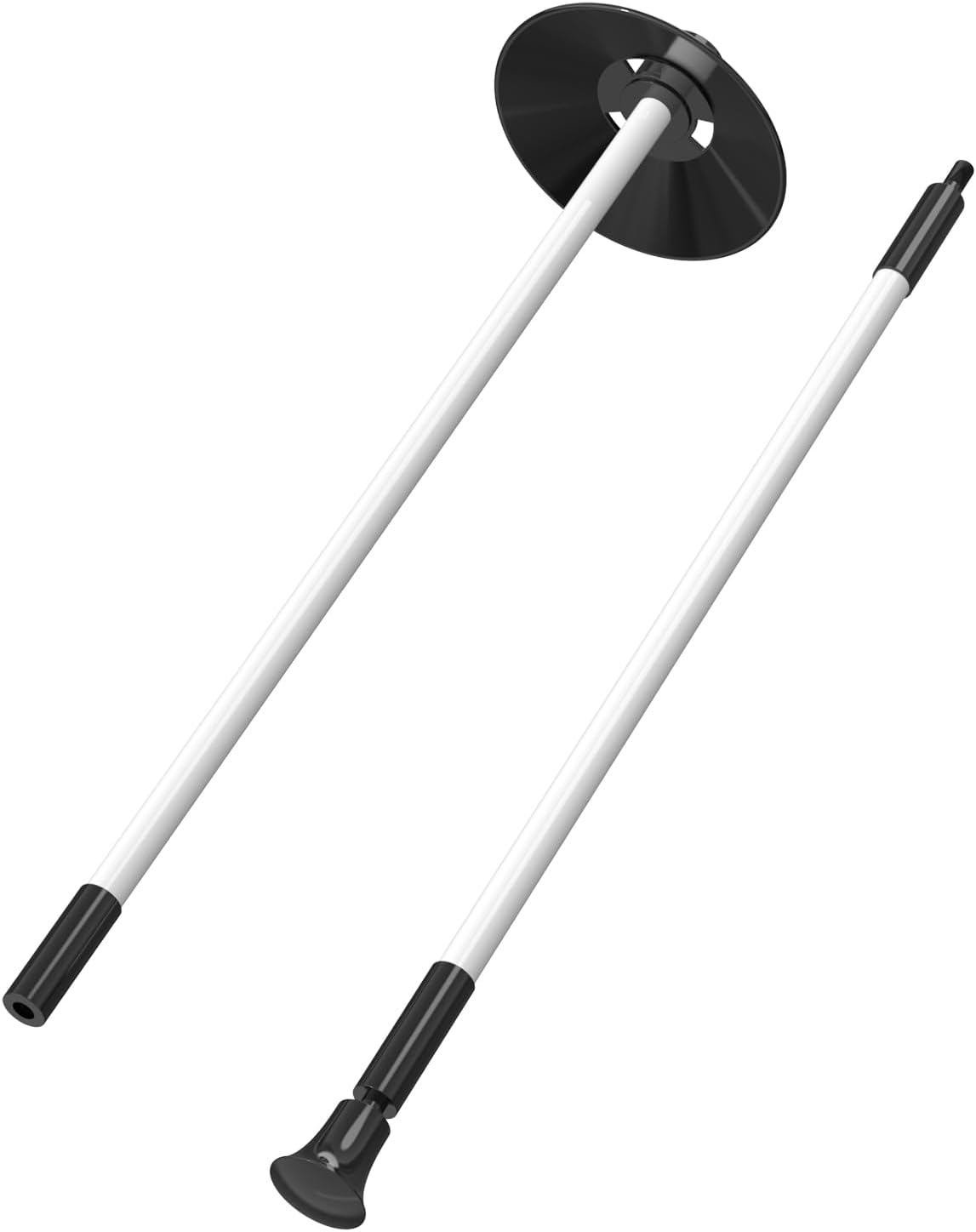
Flagsticks
3 ft White Golf Flagstick with Retrieval Base, 1 Pack
4.6 out of 5 · 820 ratings
See the detailShelf 2 of 6
Green flags
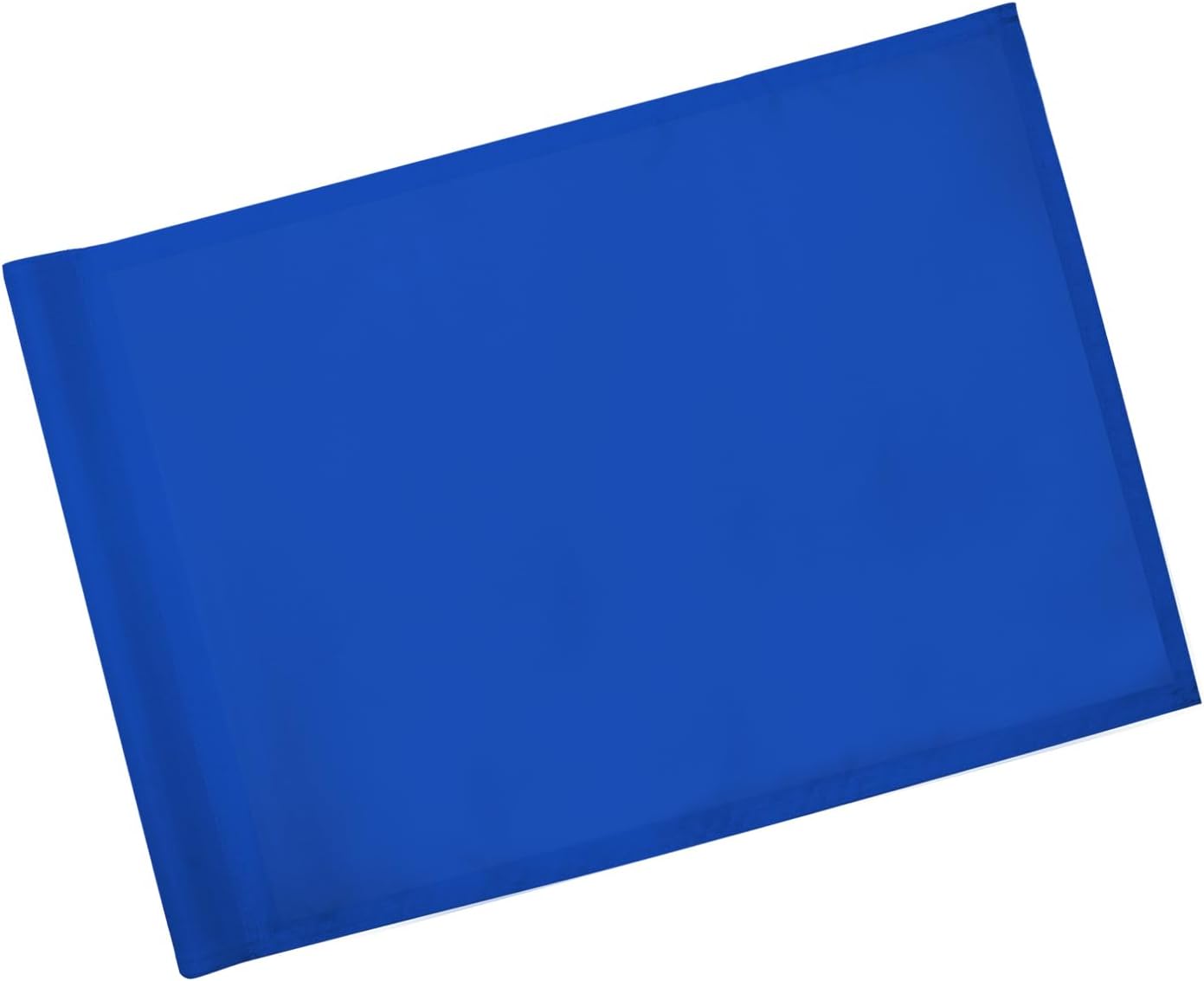
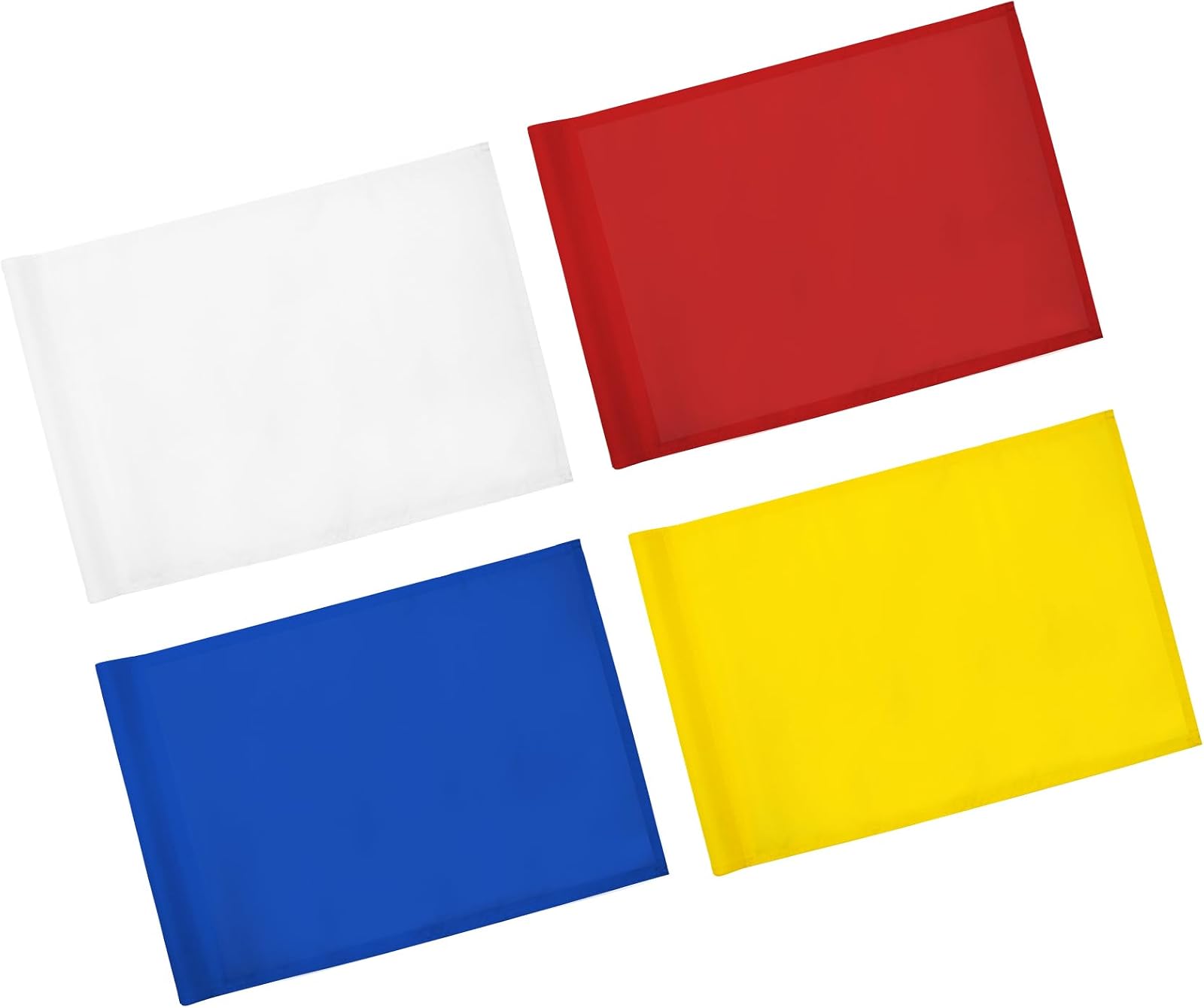
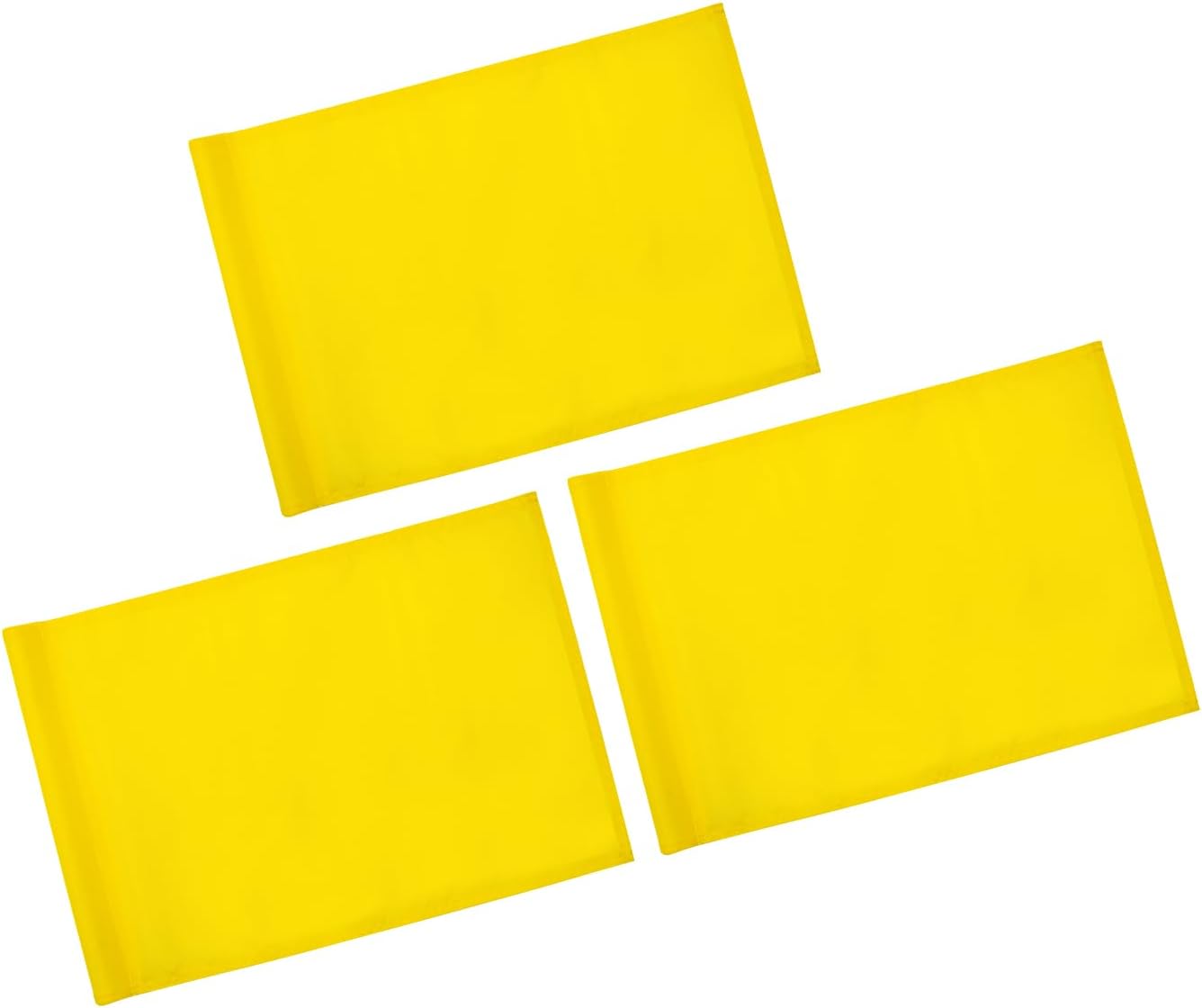
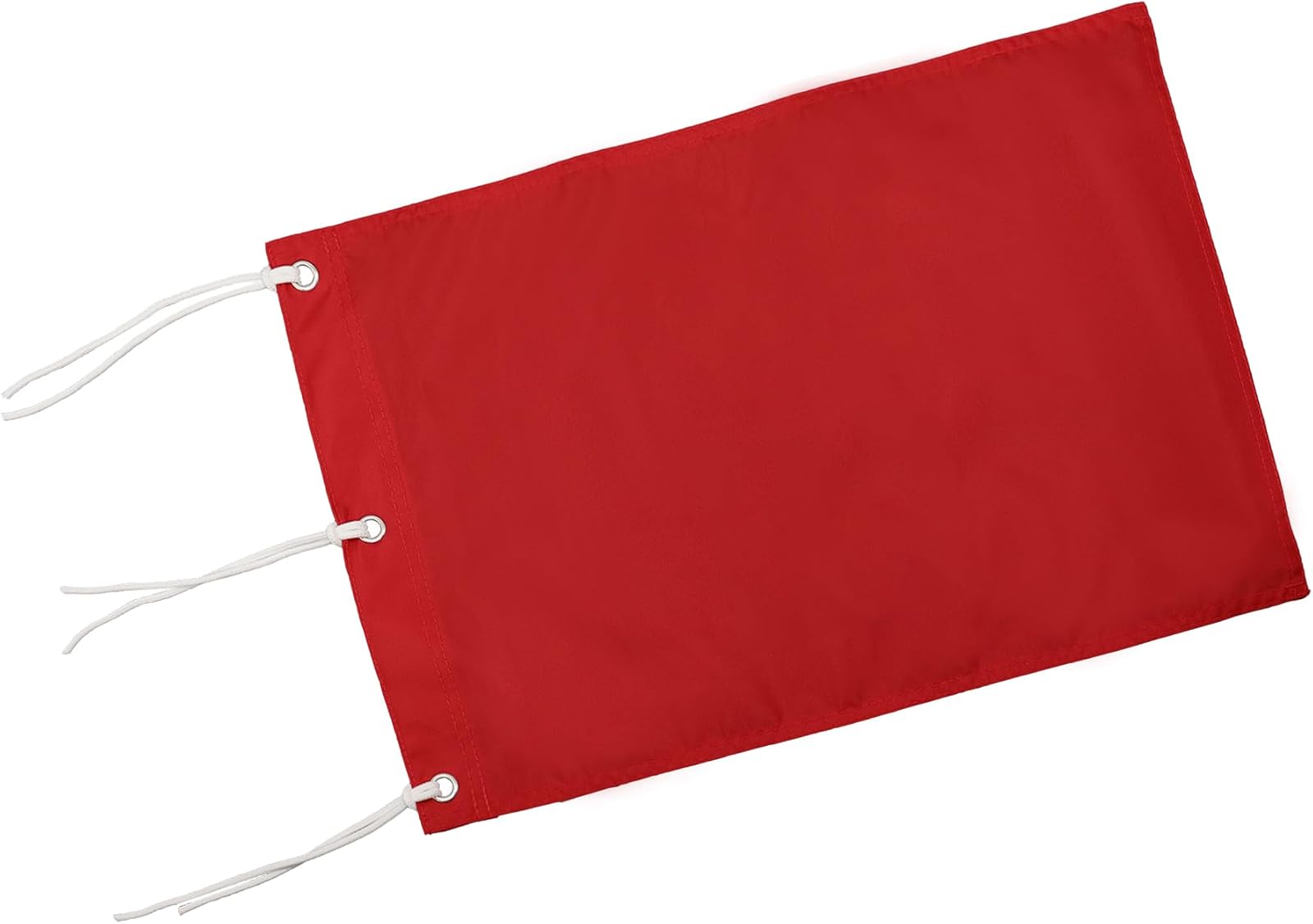
Full height nylon flags hung by a sewn tube sleeve that turns with the breeze or by brass grommets for poles with clips.
Green flags
Solid Golf Flag, 14 x 20 in, Red, Grommets, 1 Pack
4.4 out of 5 · 275 ratings
See the detailShelf 3 of 6
Mini flags
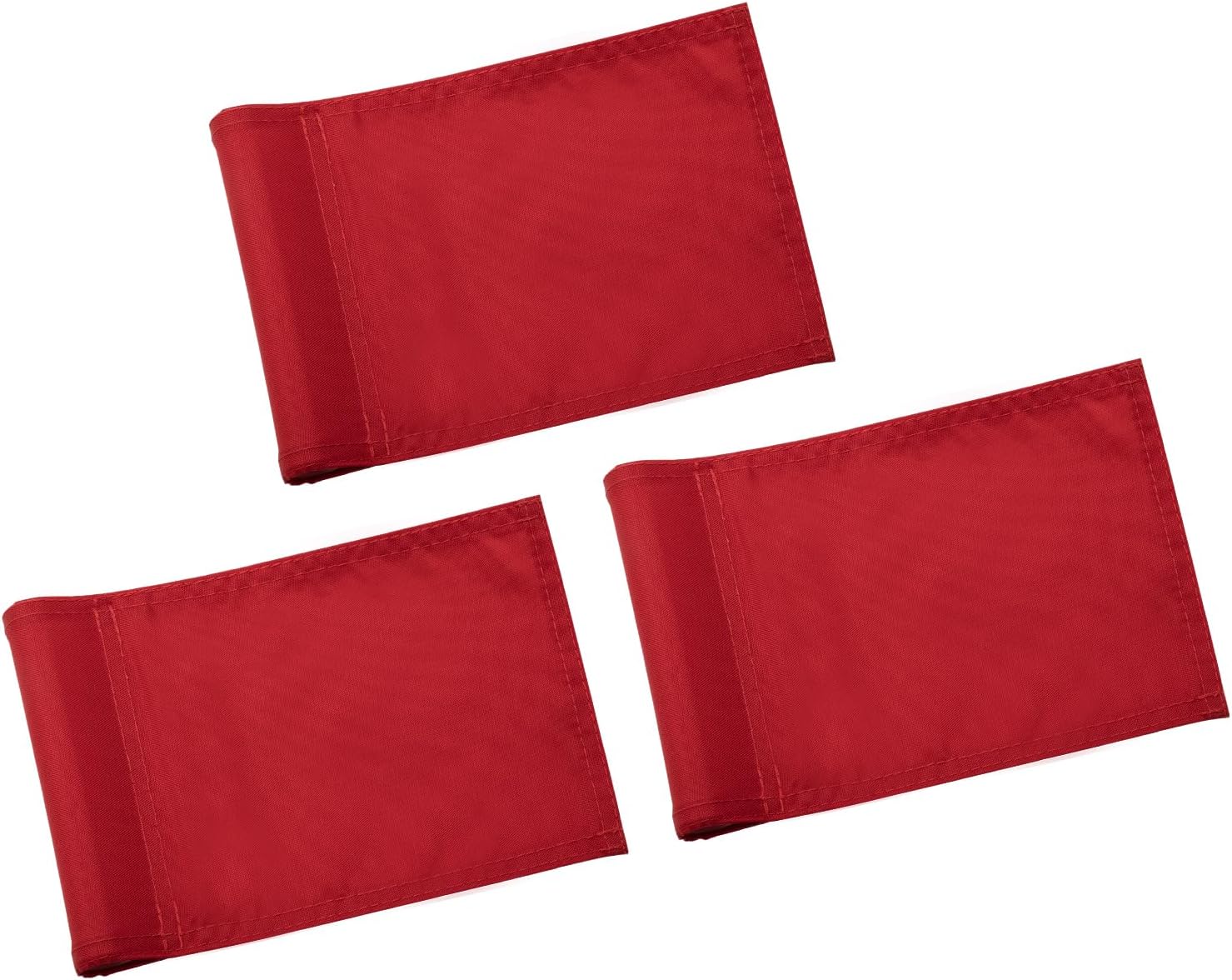
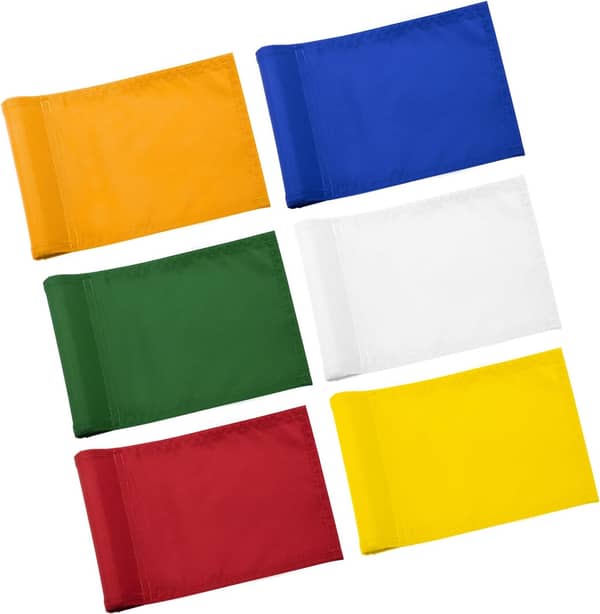
Short flags scaled for compact lawn pins, sewn in solid tones, checkers, printed numbers, and the stars and stripes.
Mini flags
Solid Golf Flags with Tube Inserted, All 8" L x 6" H, 6 Pack
4.5 out of 5 · 705 ratings
See the detail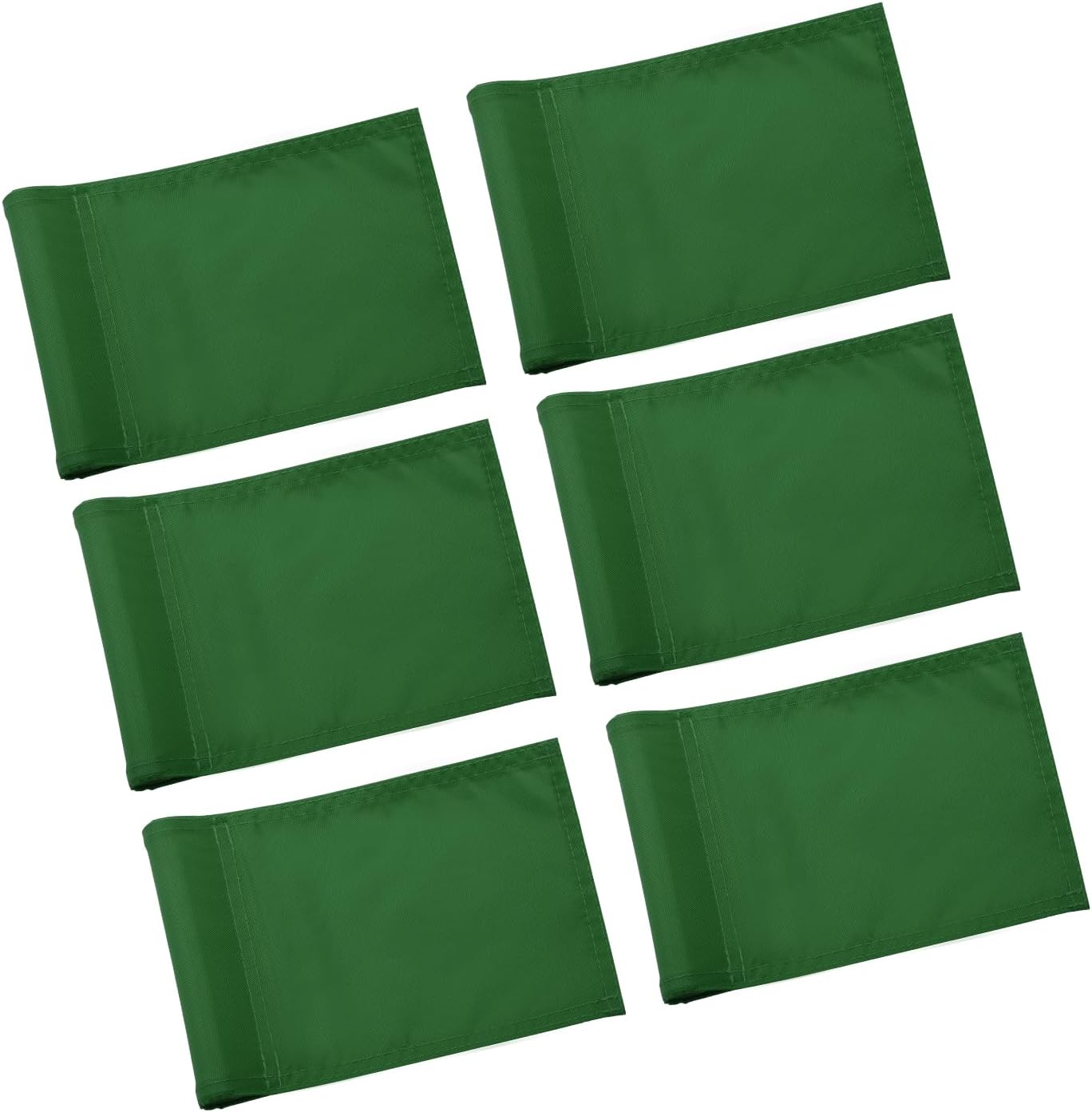
Shelf 4 of 6
Cups and liners
Regulation cups with drain holes in the base, paired with cutters and steel covers that let a mower ride straight over.
Cups and liners
Classic Golf Putting Alignment Mirror with Carry Bag
4.4 out of 5 · 1,732 ratings
See the detail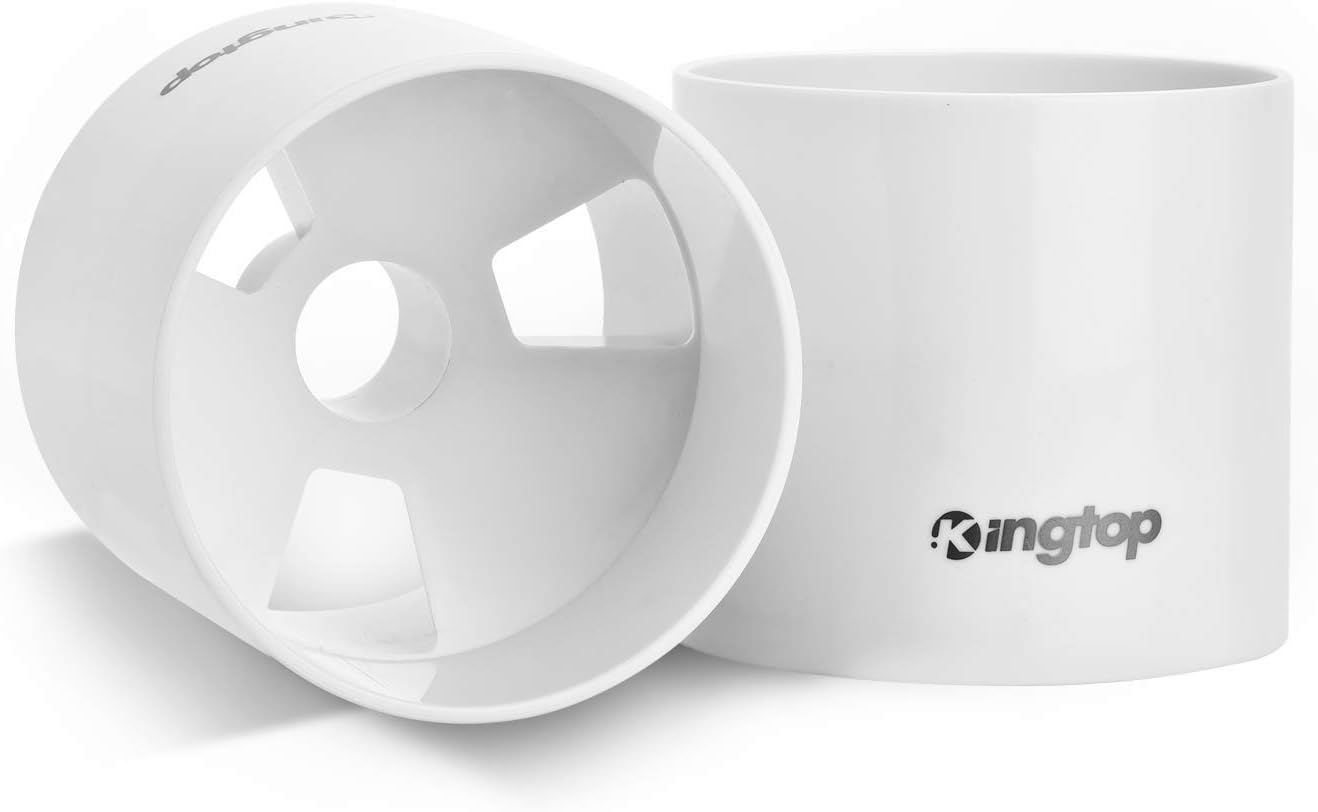
Cups and liners
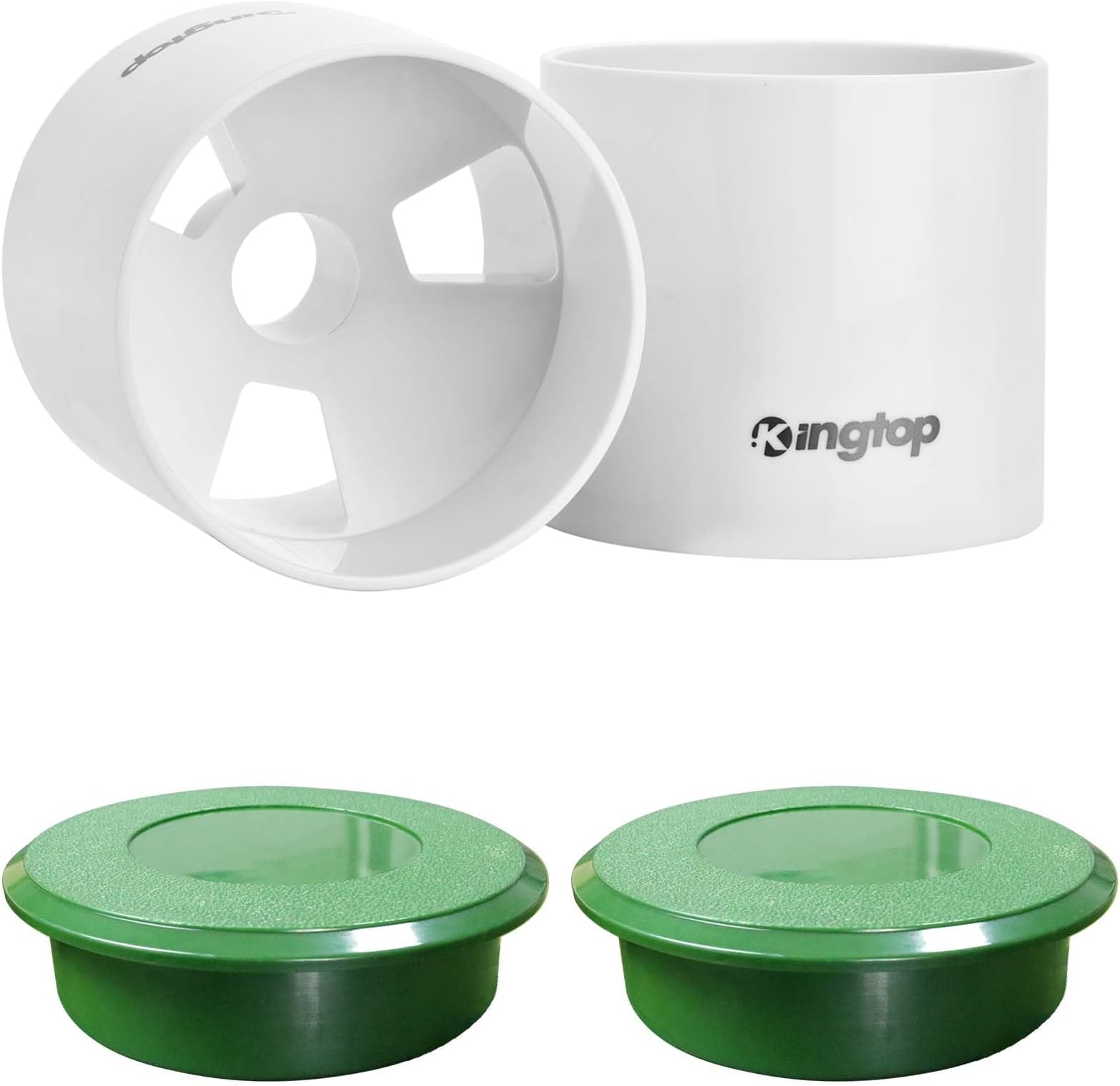
4 in Golf Hole Cup for Backyard Practice Putting Green, 2 Pack
4.7 out of 5 · 1,694 ratings
See the detail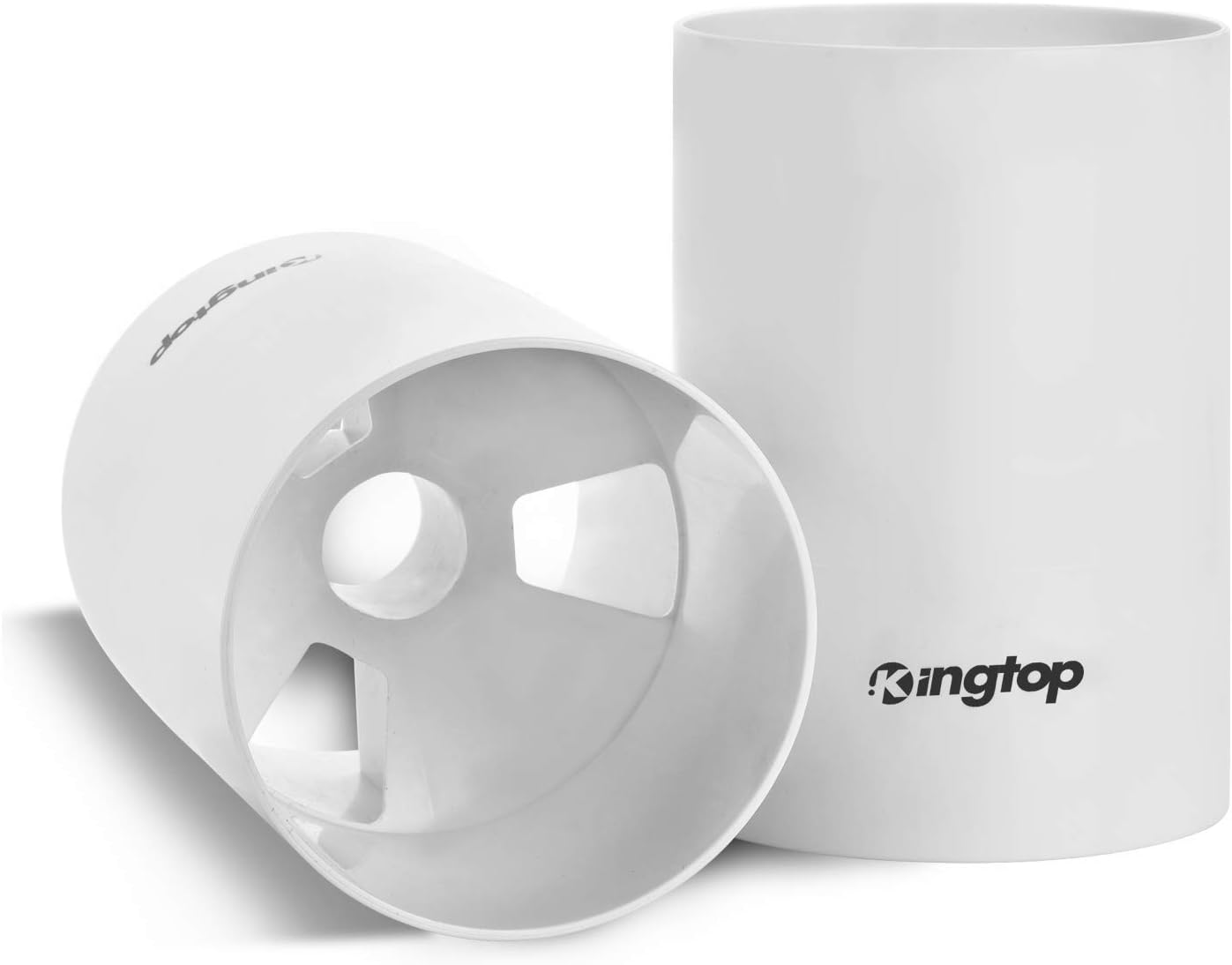
Cups and liners
6 in Golf Hole Cup for Backyard Practice Putting Green, 2 Pack
4.7 out of 5 · 1,694 ratings
See the detail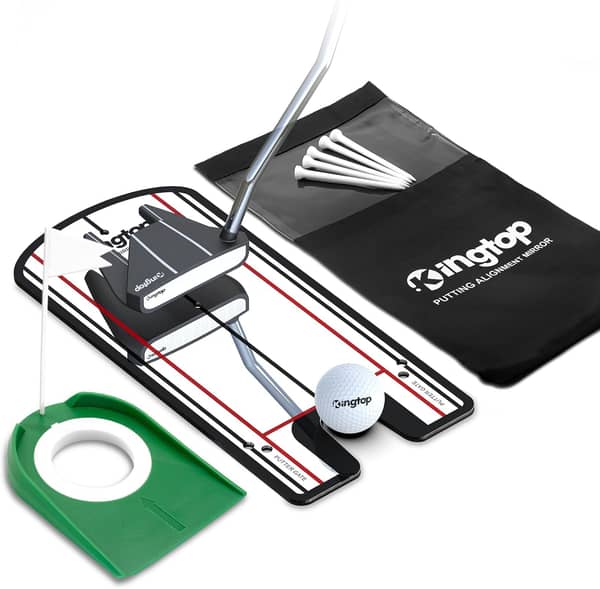
Cups and liners
Golf Putting Mirror with Practice Cup, 12 x 6 in
4.1 out of 5 · 267 ratings
See the detailShelf 5 of 6
Full setups
Pole, flag, and cup matched in a single box for outfitting bare turf one hole at a time.
Full setups
3 ft Yellow Golf Flagstick Sets with Number 1 to 3 Flags, 3 Pack
4.7 out of 5 · 1,605 ratings
See the detail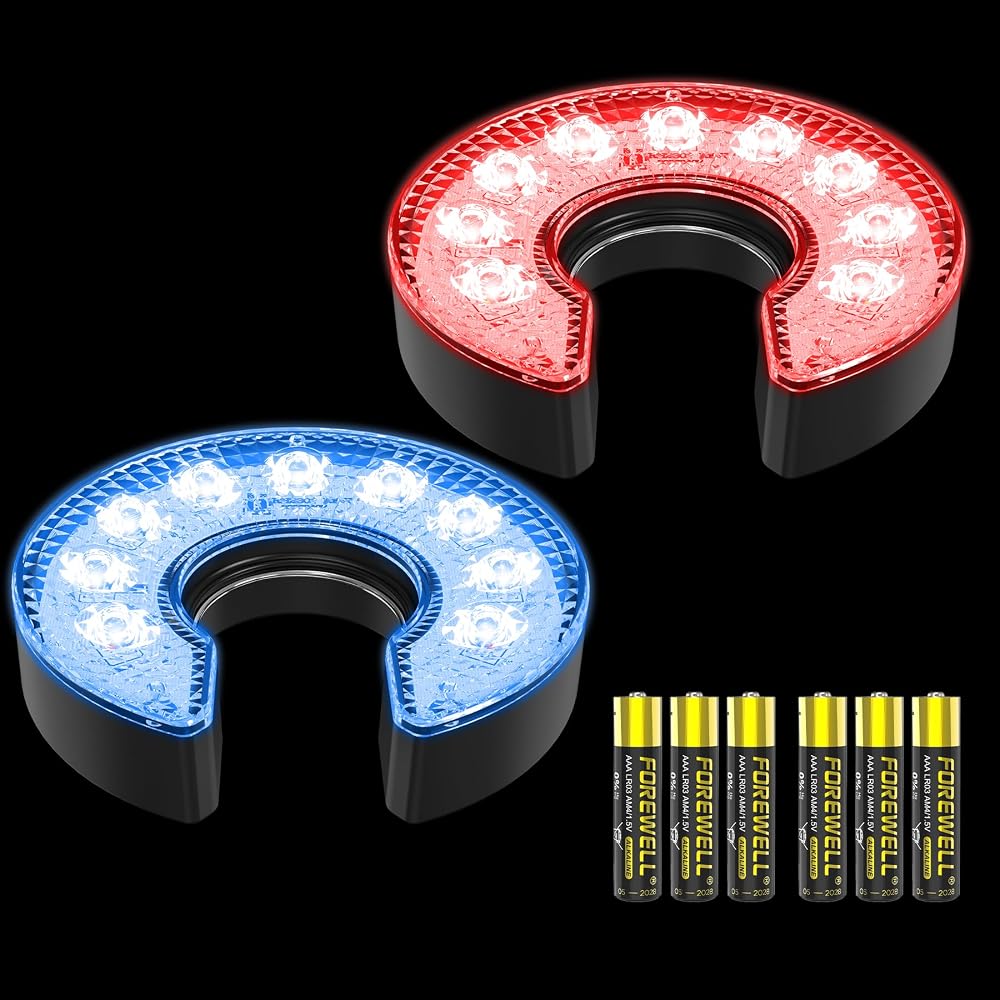
Full setups
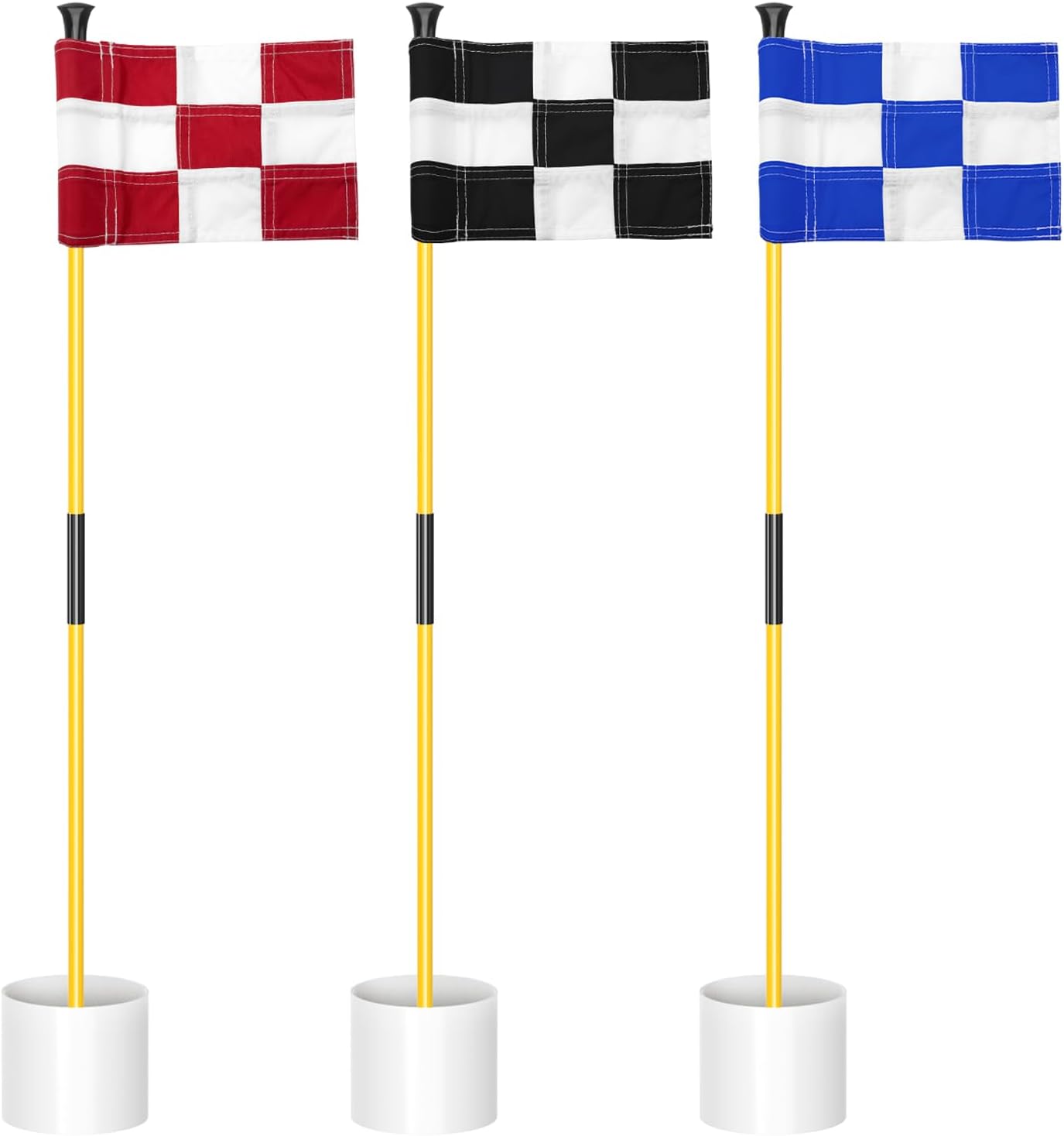
3 ft Yellow Golf Flagstick Sets with Checkered Flags, 3 Pack
4.7 out of 5 · 1,605 ratings
See the detail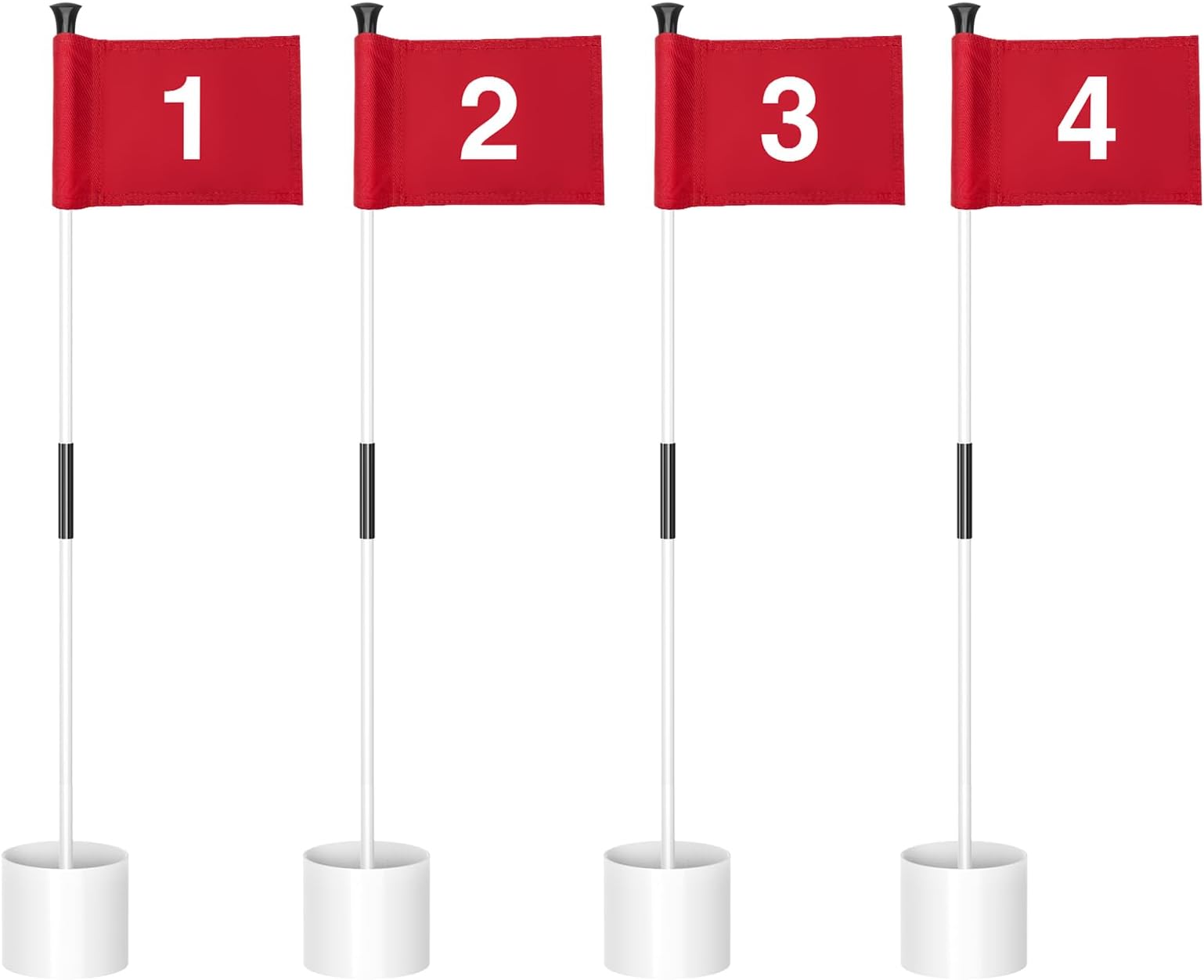
Full setups
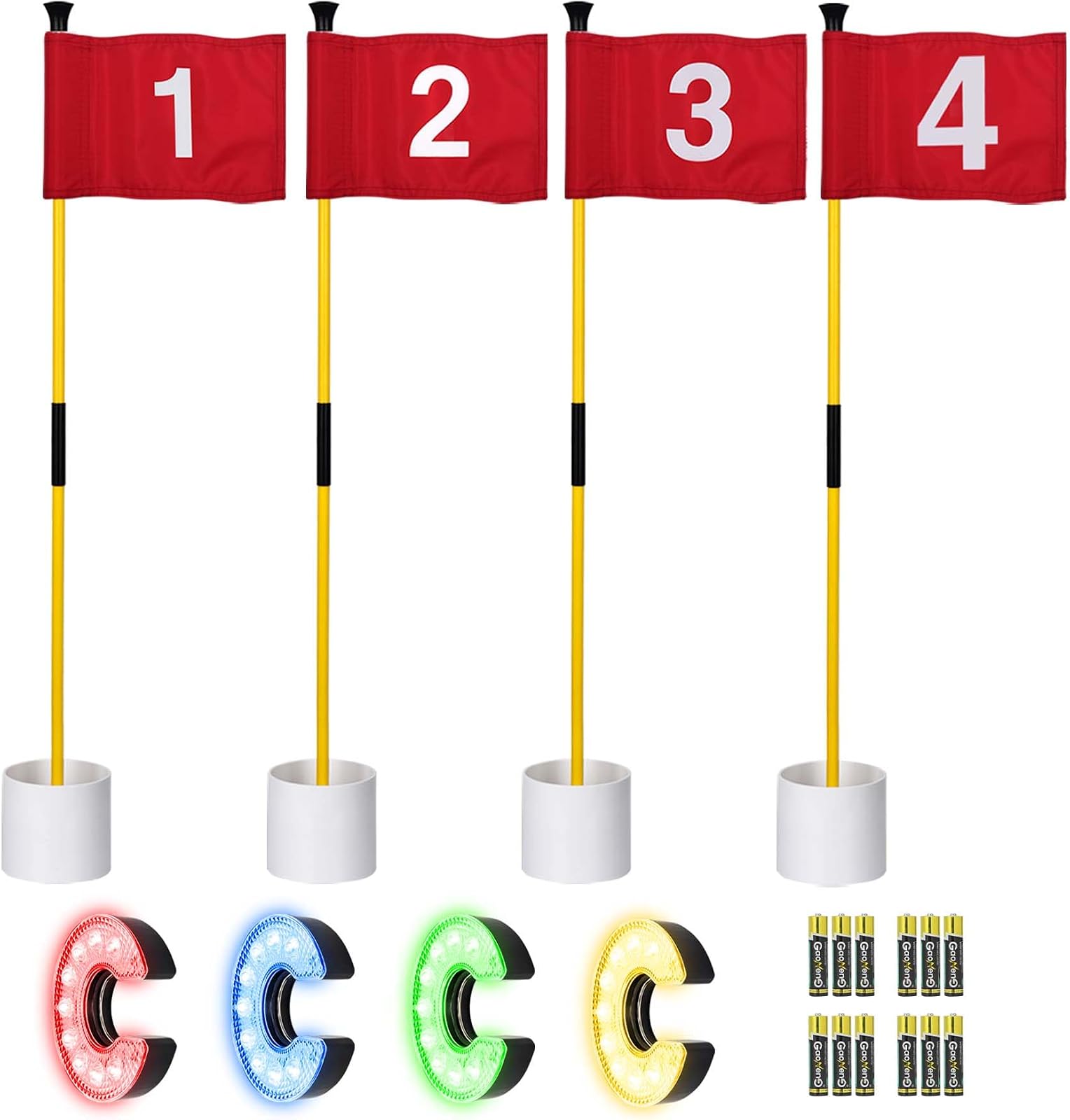
3 ft White Golf Flagstick Sets, Numbers 1 to 4, 4 Pack
4.7 out of 5 · 1,605 ratings
See the detailShelf 6 of 6
After dark
Hole rings, glowing top beacons, and lit balls that keep the target visible when the sun goes down.
After dark
Impact-Activated LED Golf Balls with Glow Tees, 6 Pack
4.0 out of 5 · 609 ratings
See the detail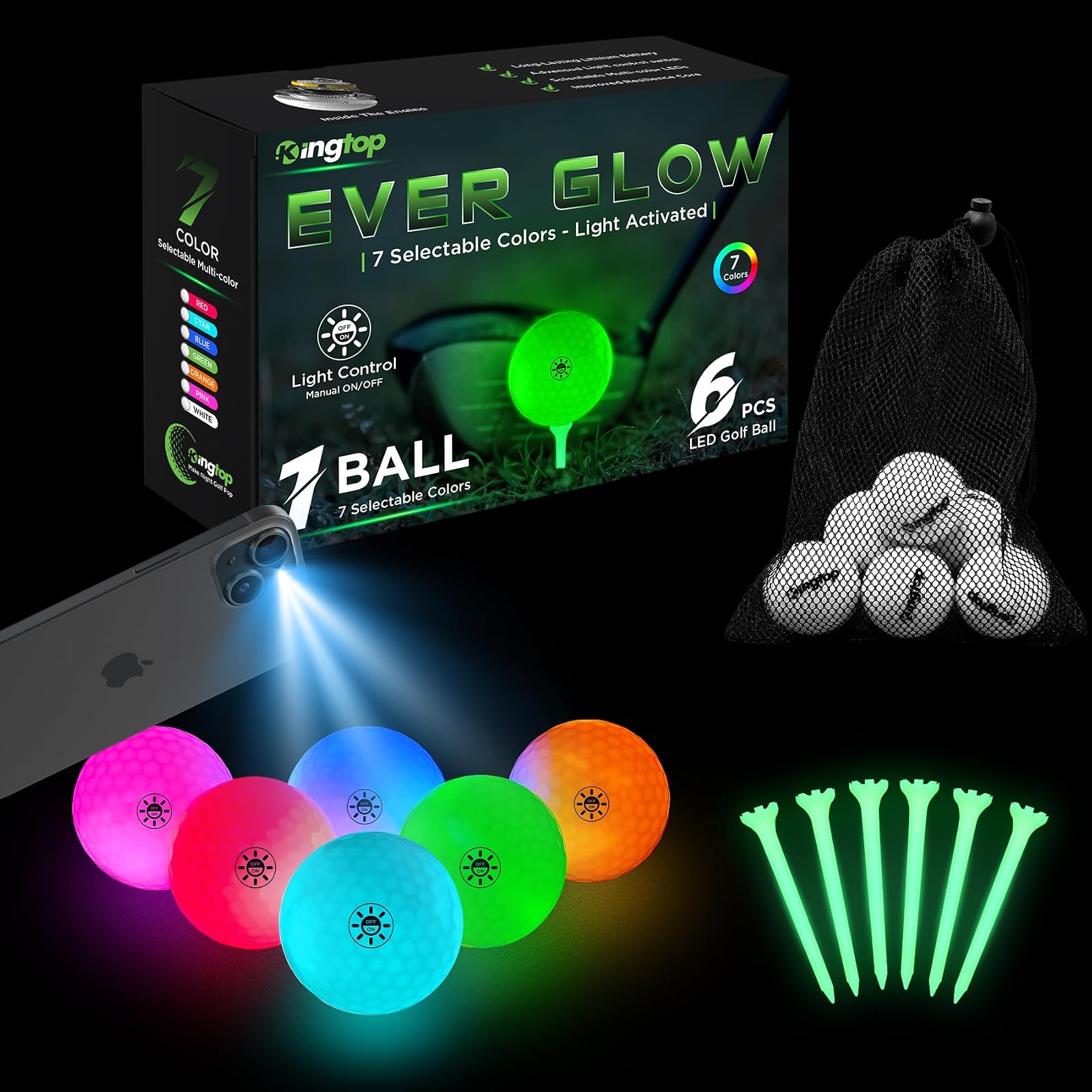
After dark
7-Color Selectable LED Golf Balls with Glow Tees, 6 Pack
4.2 out of 5 · 238 ratings
See the detail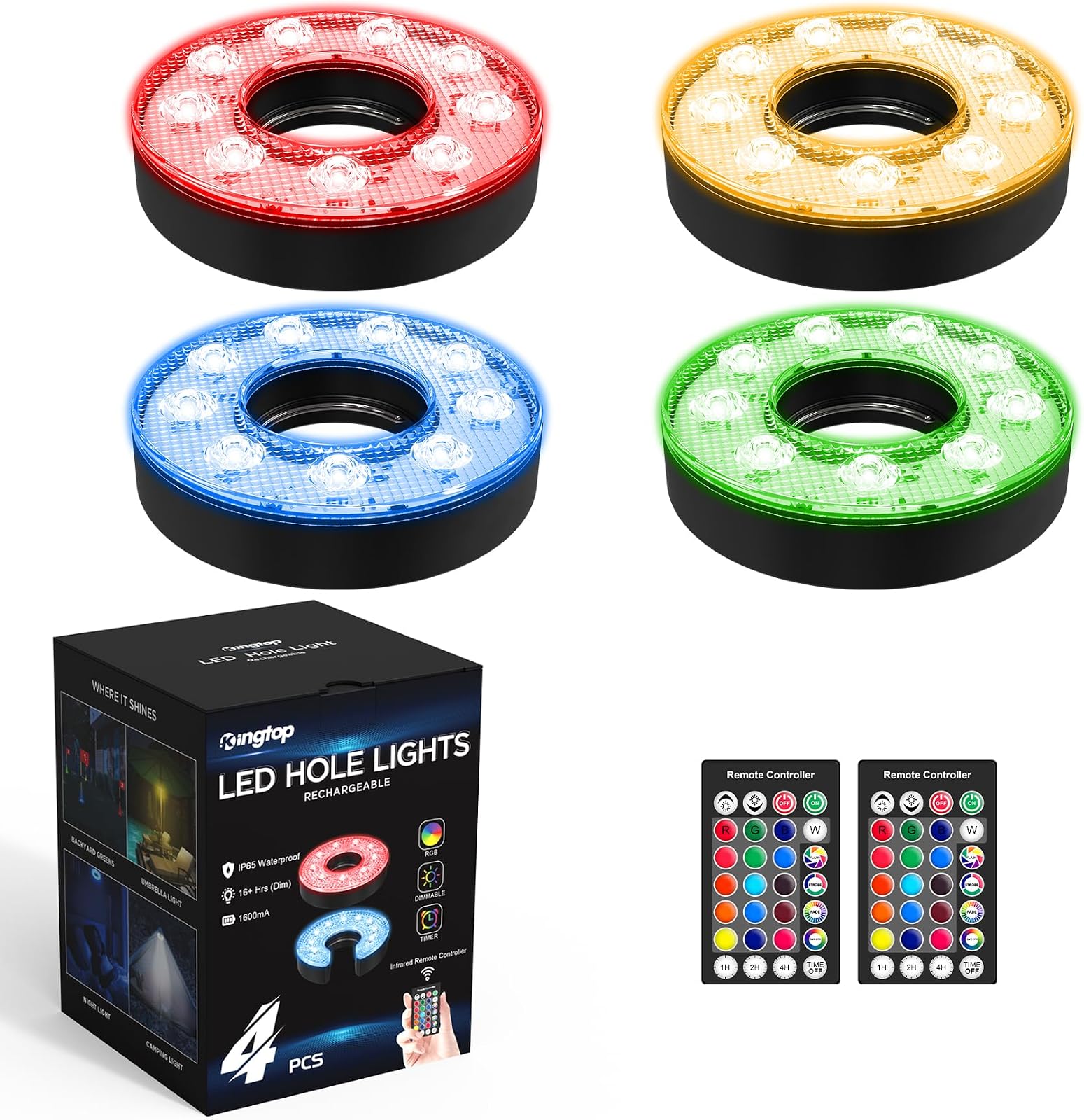
From the notes
Tall pin or yard pin
A short pole suits tight putts across an ordinary yard. Tall pins cost more space to swing around, but you can spot them across a long lawn or over a rise.
Read the sizing guideThree questions
Match the parts to your turf
Tell us where the ball rolls and how far the longest putt travels. We filter down to the poles, flags, and cups that fit that exact patch of ground.
Find your fitRecent additions to the bench
The latest flag sewings, cup fittings, and lighted targets built for evening practice on the lawn.
Mini flags
Numbered Golf Flag with Tube Inserted, All 8" L x 6", 9 Pack
4.8 out of 5 · 7 ratings
See the detail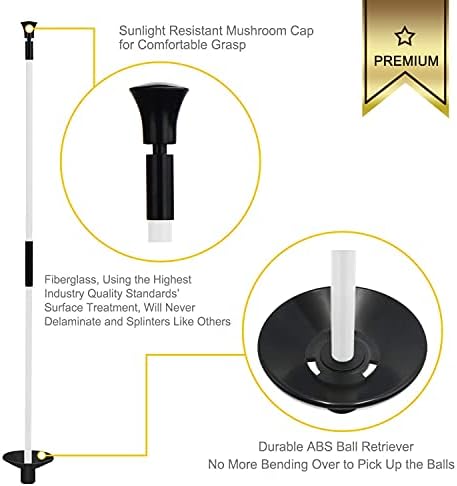
Full setups
Golf Flagsticks Mini, Putting Green Flag for Yard, All 3 Feet, 3 Pack
4.8 out of 5 · 8 ratings
See the detailHardware we build for the green
We cut, stitch, and pack the target end of the green. These counts shift as we mill new cups and sew fresh runs of nylon.
97Pieces on our bench
6Shelves in the catalog
22Items built for night rounds
28Sewn flags ready to hang
The night shelf
Putting when the sun goes down
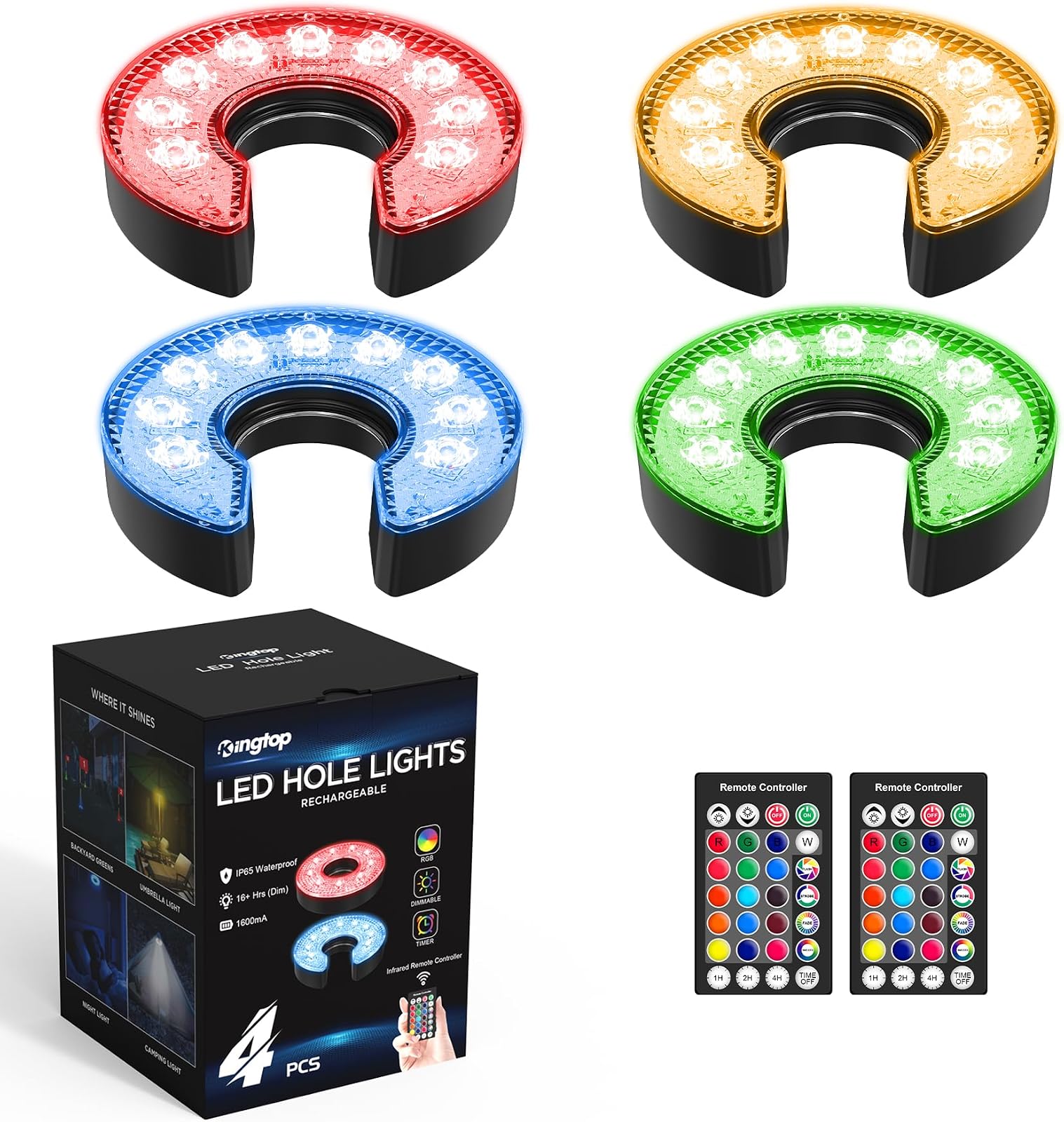
The cup vanishes first once twilight settles in. An illuminated ring dropped in the cup puts the target back in view, while a glowing beacon on the pin marks your line from the far edge of the lawn. An open C shape slips right around a standing pole without lifting the base. Lighted balls show where you landed when a putt rolls past.
After dark
Impact-Activated LED Golf Balls with Glow Tees, 6 Pack
4.0 out of 5 · 609 ratings
See the detailAfter dark
7-Color Selectable LED Golf Balls with Glow Tees, 6 Pack
4.2 out of 5 · 238 ratings
See the detailSetting up your putting space
- Pace the longest line
Step off the lawn to find where your furthest putt begins. The distance from your stance to the target dictates what needs to stand on the green.
- Match the pin and cloth
Taller pins suit long putts across open grass, while shorter yard sticks work on tight patches. Pick a mini flag for short poles and a full flag for tall sticks.
- Set the cup depth
Decide whether your dirt allows a deep cup or needs a shallow drop. If you putt on an indoor mat or hard floor, set the hole on top without cutting.
Sizing poles and flags to your lawn
Compare the length of your putting run against the pole heights and flag styles that fit that distance. Pick the build that matches your grass.
| Longest putt | Pole | Flag cloth |
|---|---|---|
| Inside 15 feet | 3 ft yard pole · 25 on the shelf | 6 x 8 in mini · 18 sewn |
| 15 feet and past | 6 ft sectioned pole · 8 on the shelf | 14 x 20 in full · 10 sewn |
| On a mat indoors | Short pin on a flat base | Mini flag, numbered for games |
One from the bench
Under the shop light
Flagsticks
6 ft Metal Golf Flagstick, Slip-Fit Joints
Put a real target into a patch of grass without leaving a permanent post in the yard. We build this flagstick out of five painted steel tubes that push together by hand and pack flat into a car trunk. The ABS cup sits flush in the dirt so the mower rolls right over it.
4.4 out of 5 · 2,244 ratings
$19.88Figure last checked when this page was built; the retail partner sets it.
Figure your hardware by the hole
A complete setup takes one cup, one pole, and one flag for each target you sink into the turf. When a box lists a count, it matches that exact number of finished holes across your lawn. Check the breakdown below to match your yard layout.
1 holeone pole, one cup, one flag per target
- flagsticks: 6 ft Metal Golf Flagstick, Slip-Fit Joints
- cups: Classic Golf Putting Alignment Mirror with Carry Bag
- flags: USA Mini Golf Flag, 6 x 8 in, Double-Sided 420D Nylon
3 holesone pole, one cup, one flag per target
- flagsticks: 3 ft White Golf Flagsticks with Retrieval Bases, 3 Pack (packs of 3)
- cups: 3 × Classic Golf Putting Alignment Mirror with Carry Bag
- flags: Golf Flag 8x6 Inch - Plain Red, 3 Pack (packs of 3)
9 holesone pole, one cup, one flag per target
- flagsticks: 3 × 3 ft White Golf Flagsticks with Retrieval Bases, 3 Pack (packs of 3)
- cups: 9 × Classic Golf Putting Alignment Mirror with Carry Bag
- flags: Numbered Golf Flag with Tube Inserted, All 8" L x 6", 9 Pack (packs of 9)
Keeping putting gear in working shape
Sun fades nylon and soil works into threads. A little attention between rounds keeps each piece ready for the lawn.
Worth the two minutes
- Bring flags indoors once the cold months arrive rather than letting cloth whip in winter gales.
- Rinse dirt and clipped grass from joints so the pole sections pull apart without sticking.
- Put a cover over the cup when play stops to keep the turf edge from breaking down.
- Store disassembled pole sections flat in a dry corner so they do not take a set.
What wears gear out
- Leaving nylon out through weeks of summer sun when nobody is putting on the green.
- Twisting threaded sections together when sand or dry dirt is caught in the joint.
- Running mower wheels across the rim of an open cup cut into the lawn.
- Shoving wet flagsticks into a closed bag before the metal and cloth have dried.
The bench
How we build our catalog
We manufacture the target hardware and the parts around the hole rather than the clubs or standard balls. Flags wear down in wind long before metal pins fail, so we sell components separately as well as in bundles. Our cups share the regulation width across the line so pieces match. Measurements are clearly noted on the cards.
Deciding on the right parts for your lawn
The choice begins with your ground and the distance of your longest putt rather than cloth patterns. Some lawns have deep soil for a full cup, while thin turf over rock requires a shallow liner. Short yard greens look right with a compact pin, while longer runs across a wide lawn call for a taller pole that stands out from across the grass.
If you are starting on bare grass, a complete setup gives you the pole, flag and liner in one box. When you already have cups in the ground, you can replace a torn flag or a bent pole on its own. Check how your current cloth attaches before choosing a replacement.
Matching your need to the right shelf
Find the section that fits the job you are doing, from cutting fresh turf to fixing one broken pin.
| Shelf | The job it covers | Pieces |
|---|---|---|
| Flagsticks | Standing a new target, or replacing a pole a mower caught. | 10 |
| Green flags | Hanging full height cloth on a tall pin you already own. | 10 |
| Mini flags | Dressing a short yard pin, or numbering holes for a contest. | 18 |
| Cups and liners | Cutting the hole, lining it, and covering it before the mower comes. | 16 |
| Full setups | Starting from bare grass with pole, cloth and cup in one box. | 21 |
| After dark | Keeping the target visible once the light goes. | 22 |
Choosing between hardware styles
Compare joint types, cloth attachments, and lighting shapes before picking parts for your green.
| Build | How it behaves | Where it lives |
|---|---|---|
| Threaded joints | Sections screw together and hold rigid once tight. | Flagsticks, After dark · 3 pieces |
| Slip-fit joints | Sections push together by hand and pull apart the same way. | Flagsticks · 2 pieces |
| Spring-lock joints | A sprung button snaps into a drilled hole and locks the length. | Flagsticks · 2 pieces |
| Sewn tube sleeve | Cloth slides down over the pole and turns with the wind. | Flagsticks, Green flags, Mini flags, Full setups · 32 pieces |
| Brass grommets | Cloth hangs flat from clips on poles built to take them. | Green flags · 3 pieces |
| Closed O ring light | Drops into the cup floor, so the pin comes out first. | After dark · 3 pieces |
| Open C ring light | The gap slips around a standing pole without lifting it. | After dark · 7 pieces |
- Shallow cups and deep cups share the regulation width across the rim, so only depth in the turf changes.
- A sewn sleeve lets cloth spin with the wind, while brass grommets fasten flat to poles with clips.
- Tall sectioned pins can stand at half height on a small green by leaving middle sections out.
- An open C light slips around a standing pole, while a closed ring goes into the cup first.
Where to begin
Start by looking at the turf depth and measuring the distance of your main putting line. Our green planner uses those details to narrow the options down to what works on your grass.
If you already have holes in your lawn, check how your cloth hangs and how your poles join. Matching the sleeve or grommet style keeps your setup working together.
Questions about the hardware
A few things people ask before driving a pin into the turf or replacing a worn piece.
Does a pole arrive with a flag already on it?
Poles on the flagsticks shelf arrive bare, without cloth or a cup. Full setups bundle the stick with a flag in one box. If you only need to replace a bent pole, browse the standalone stick shelf.
How do I know which flag attachment fits my pin?
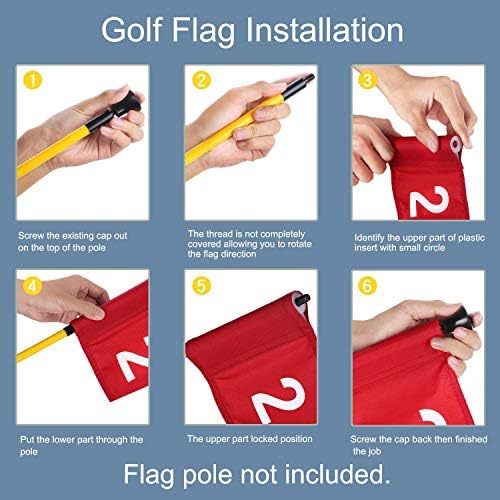
Look at the top of your pole. If it has swivel clips or ties, you want a flag with brass grommets. If the pole is smooth at the top with a small cap, you want a tube sleeve that slides down over the stick.
Do I have to cut a hole in my lawn to use these?
Not necessarily. While a regulation cup sinks into the ground with a hole cutter, you can practice on open turf by standing a pole in a base or using an indoor practice ring on top of the grass.
How many flags and cups do I need for a yard course?
Each target location takes one cup, one pole, and one flag. If you cut three holes across your lawn, you need three full sets. Numbered or checkered cloth helps you tell the targets apart from across the yard.
Can I add a cup light while the pole is standing in the ground?
Our open C light drops straight into the cup around an upright pole without pulling anything up. Closed ring models require lifting the pin out first, dropping the ring into the cup floor, and setting the pole back down.
Will this putting hardware work on an indoor mat or carpet?
Poles with flat bases stand upright on firm indoor mats or office rugs without cutting the floor. Shallow cups also sit inside standard raised putting platforms if the mat has an opening.
Words from the lawn
“Cutting three cups into the back lawn changed our evenings. The turf-topped covers sit flush so the mower rolls right across them on Saturday morning without catching an edge.”
Dave M. · back lawn putting course in Ohio“We set up two pins along the hallway runner for a team contest. The sectional poles packed down flat into my trunk when we wrapped up for the weekend.”
Sarah K. · indoor office putting event“The open C lights drop straight in around the pins after dinner. The flag beacons stay bright enough to read the line from the edge of the patio.”
Greg T. · evening rounds in the yardFind the target hardware that fits your grass
Start with a single replacement pin or outfit your whole patch of turf with matched flags, cups, and night lights.